By ArtxFilms Editorial Team | Reviewed by Commercial Video Production & Brand Storytelling Specialists | Sep 2026
The most expensive-looking video in your feed might not be the one people remember. And the most casually shot one might not be the one that builds your brand.
That is the real tension behind cinematic vs. authentic brand video in 2026.
So, should brands invest in polished production, controlled lighting, elaborate sets, and cinematic storytelling? Or should they lean into handheld shots, real people, creator-style content, and the slightly imperfect look audiences have become comfortable with?
The answer is not about choosing one.
In 2026, the winning brand video isn’t necessarily cinematic or authentic; it’s the one that knows when to be either.
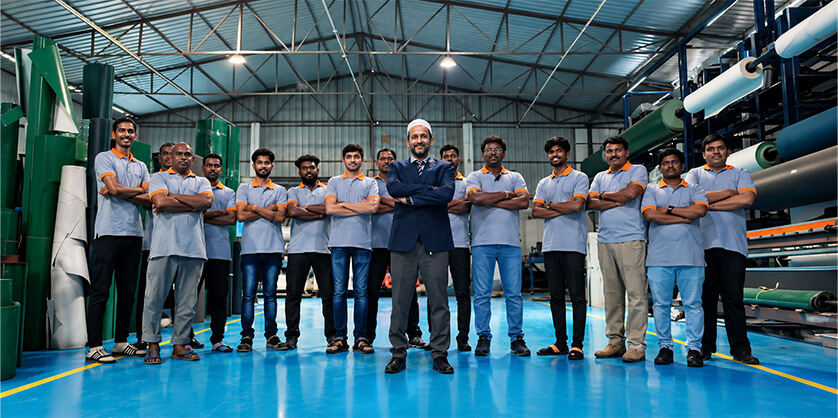
The Cinematic Look Still Has a Job To Do
There is a reason cinematic production continues to dominate brand films, commercials, and premium campaigns.
Beautiful cinematography creates perceived value.
Controlled lighting, carefully composed frames, production design, sound design, color grading, and deliberate camera movement can make a product feel more desirable and a brand feel more established.
This is particularly important when the video needs to communicate:
- Premium positioning
- Product quality
- Brand heritage
- A major launch
- Corporate credibility
- An emotional brand story
- A high-value product or service
And the data doesn’t suggest that audiences have suddenly stopped caring about production quality.
Quite the opposite, 89% of consumers say video quality influences their trust in a brand.
(Source: Wyzowl)
That’s where cinematic videography services still make sense.
A cinematic video isn’t automatically outdated because social media has become more casual. In fact, the production quality can be what separates a brand film from another piece of content competing for attention.
The mistake is assuming that “cinematic” automatically means better, but in reality it doesn’t.
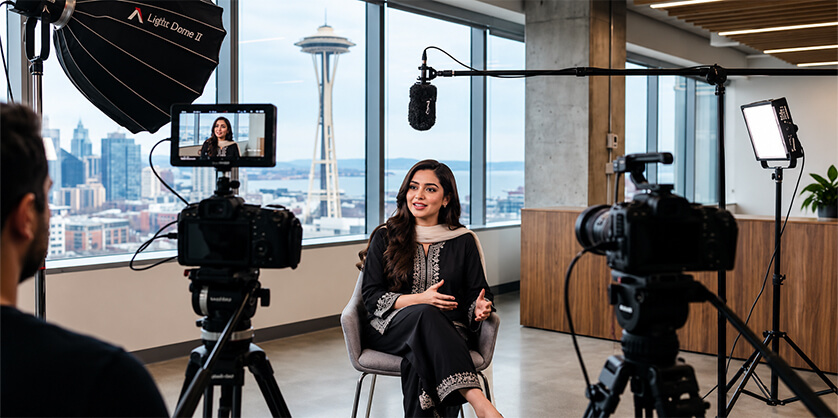
Authenticity Is Redefining The Production
The interesting shift isn’t from polished video to badly shot video.
It is from over-produced communication to believable communication.
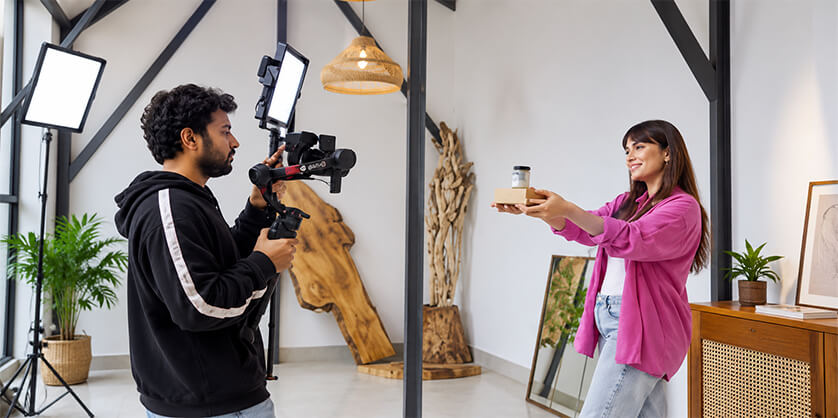
A founder speaking directly to the camera. A creator filming a product in their own environment. Employees talking about their work without sounding like they’ve memorized a corporate script.
These formats can feel more immediate because there is less distance between the brand and the audience.
And short-form video is driving this change.
HubSpot’s 2026 marketing data puts short-form video at the top of the ROI-driving content formats, with 49% of marketers naming it their highest-ROI format.
(Soure: Hubspot)
Wistia’s 2026 research also found that social engagement is becoming an increasingly important measure of video success, with 22% of teams now calling it their top metric, nearly double the previous year’s share.
(Source: Wistia)
That changes the creative brief. The question isn’t simply:
“Does this video look expensive?”
It’s:
“Does this video give people a reason to stop, watch, and respond?”
Pakistani Brands Are Already Mixing Both Worlds
Pakistan offers some particularly interesting examples because brands are no longer treating polished advertising and social-first content as completely separate worlds.
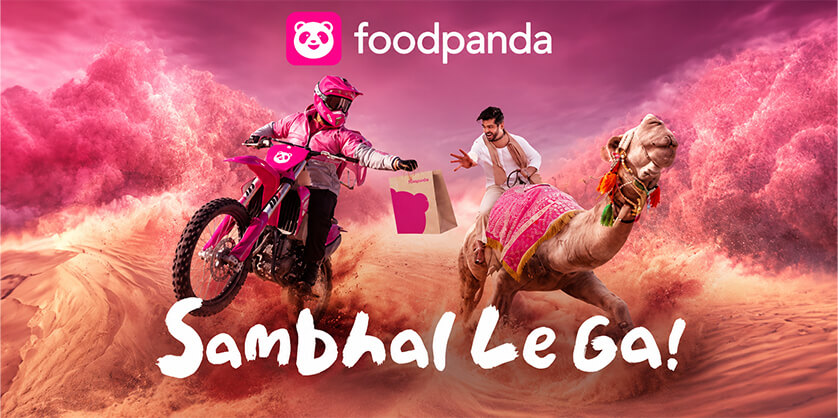
1. FoodPanda
Foodpanda has become particularly strong at taking a simple consumer behavior and turning it into content that feels native to the platform.
Its recent campaigns include “Foodpanda Sambhal Lega,” which won gold at the 2026 Effie Pakistan Awards, while its TikTok launch and TRY300 campaign also made the winners list.
The important part isn’t simply that the content is funny or entertaining.
It understands the language of the platform.
The idea has to work as a piece of advertising, but it also has to feel like something people would actually stop for on social media.
That’s authenticity without sacrificing strategic production.
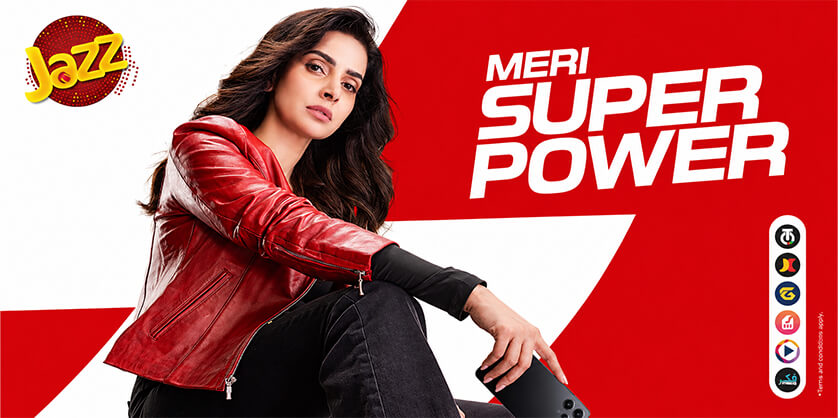
2. Jazz
Jazz is another good example of how Pakistani brands are broadening their video language.
Its “Jazz Meri Superpower” campaign positioned Saba Qamar around ideas of individuality, resilience, and ambition rather than simply communicating network features.
More recently, JazzWorld’s 2026 Effie wins included campaigns across social media, fintech, telecom, and social impact, showing how the brand is increasingly building communication around real consumer problems and behaviors rather than relying solely on traditional product advertising.
3. Pepsi
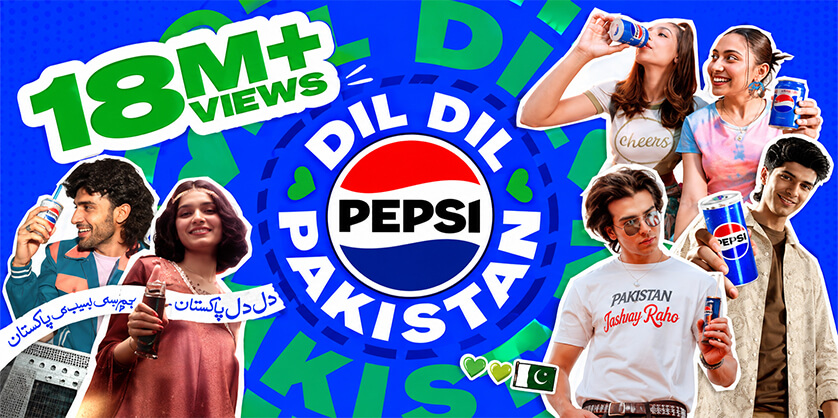
For Pepsi, the interesting part is that the brand doesn’t have to choose between cinematic production and authenticity. Its campaigns show how the two can work together. The cinematic side comes through in large-scale visuals, music, celebrities, polished production, and strong cultural moments, giving the brand the scale and energy expected from a global name.
At the same time, campaigns such as “Dil Dil Pakistan” connect through something much more familiar: a song, national identity, and emotions that already exist in Pakistani culture. Its gold win at the 2026 Effie Pakistan Awards reinforces that this combination can still deliver results.
The lesson is simple: cinematic doesn’t have to feel distant. When polished production is built around something people genuinely recognize and relate to, it can feel just as authentic as a creator-led or handheld video.
Cinematic vs. Authentic Brand Video
| Features | Cinematic Video | Authentic Brand Video |
| Visual style | Highly polished and controlled | Natural, immediate, and less controlled |
| Production | Larger crew, planned sets, lighting, and direction | Leaner production, creators, employees, or real customers |
| Best for | Brand films, launches, premium campaigns | Reels, TikTok, UGC, testimonials, and social content |
| Strength | Perceived quality and emotional impact | Relatability and trust |
| Script | Usually carefully written | Can be conversational or lightly scripted |
| Camera | Cinema cameras, controlled movement | Phones, handheld cameras, or lightweight setups |
| Editing | Detailed color, sound, and visual treatment | Faster cuts, captions, and platform-native editing |
| Budget | Generally higher | Can be produced at multiple budget levels |
| Shelf life | Often longer | Often designed for rapid content cycles |
| Ideal role | Build brand image | Build connection and engagement |
| Risk | Can feel too polished or distant | Can feel cheap or inconsistent if poorly executed |
The table makes the distinction look simple. In practice, the strongest brands are combining both.
Where Cinematic Production Still Wins
There are certain situations where cutting production quality simply doesn’t make strategic sense.
- Brand Films
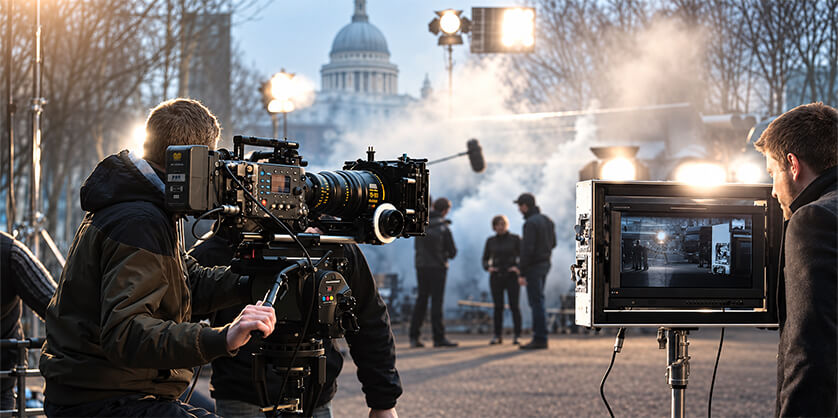
If the objective is to establish or redefine a brand, cinematic storytelling gives you more creative control. You can control the atmosphere, pace, visual language, music, production design, and emotional progression.
- Premium Product Campaigns
When visual perception is part of the product’s value, production quality matters. This is where cinematic photography services and high-end video production can work together to create a consistent visual world across campaigns.
- Corporate Communication
A manufacturing company, real estate developer, technology company, or financial institution may need to communicate scale, infrastructure, and credibility. Corporate videography can make that information easier to absorb without making the company look informal.
- Commercial Advertising
For campaigns running across television, YouTube, cinema, digital OOH, and social platforms, professional production gives brands more flexibility. This is where working with a commercial video production company can be valuable because the footage can be planned around multiple formats and placements rather than a single social post.
Where Authenticity has the Advantage
Authentic content becomes particularly powerful when the person is part of the proof.
- A customer explaining their experience.
- A founder answering a difficult question.
- An employee showing what actually happens behind the scenes.
- A creator testing a product without sounding like an advertisement.
- A chef preparing the product instead of simply posing beside it.
These formats remove some of the traditional advertising distance.
And that matters even more in an environment where AI-generated content is becoming easier to produce.
Wyzowl reports that 63% of video marketers used AI video tools to create or edit marketing videos in 2026.
(Source: Wyzowl)
Because audiences need reasons to believe there is a real person, experience, or story behind the content.
Don’t Confuse Authentic With Low Quality
This is probably the biggest misconception around the trend.
Authentic does not mean:
- Bad lighting
- Poor audio
- Random framing
- No story
- Weak editing
- A shaky camera for the sake of looking “real”
- A presenter reading a script badly
If the audience can’t hear what someone is saying, that’s not authenticity; that’s a bad sound.
If the product is barely visible, that’s not authenticity; that’s bad product communication.
The best authentic content still needs creative direction, good storytelling, clear audio, and intentional editing.
The difference is that it doesn’t feel like the brand is trying too hard to look perfect.
The Sweet Spot: Polished Authenticity
This is where brand video production is heading.
Think:
Cinematic enough to build the brand.
Authentic enough to feel human.
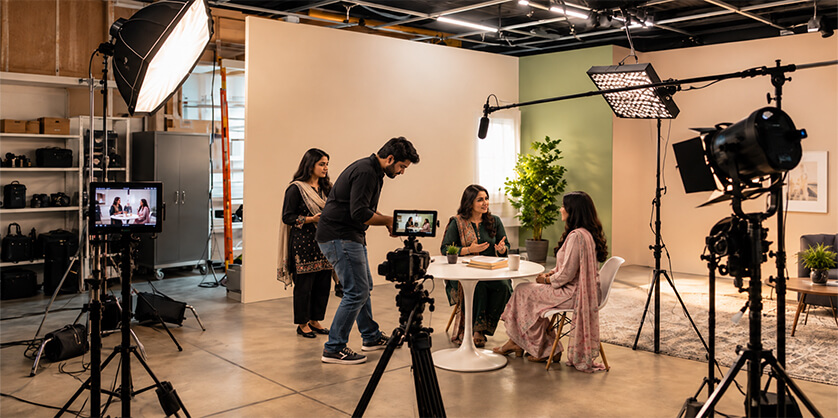
- A professional camera can still be handheld.
- A scripted video can still sound conversational.
- A controlled lighting setup can still look natural.
- A beautifully produced commercial can still feature real customers.
- A corporate video can still have personality.
This is what a modern brand video production company should be thinking about, not whether every project should look cinematic, but how much production the idea actually needs.
What Should Your Brand Choose in 2026
Here’s a simple way to decide.
Choose cinematic when:
- You’re launching something important.
- Brand perception is the priority.
- The product needs to feel premium.
- You need long-term campaign assets.
- You’re telling a larger emotional story.
- The video will represent the brand across multiple channels.
Choose authentic when:
- You’re creating frequent social content.
- Relatability matters more than spectacle.
- You’re using creators or customers.
- You’re answering questions.
- You’re demonstrating products.
- You need fast content variations.
Choose both when:
- You’re building a serious long-term brand.
- You need hero campaign assets and social content.
- Your audience moves between Instagram, TikTok, YouTube, and your website.
- You want premium positioning without becoming distant.
And honestly, this third option is where most ambitious brands should be heading.
What This Means for Video Production in Pakistan
For Pakistani brands, the opportunity is particularly strong.
Local audiences understand polished advertising. They’ve grown up with television commercials, celebrity campaigns, and highly produced Eid and seasonal films.
But they also consume creator content, Reels, TikToks, reviews, memes, and everyday videos every day.
The audience understands both languages, so brands need to understand both too.
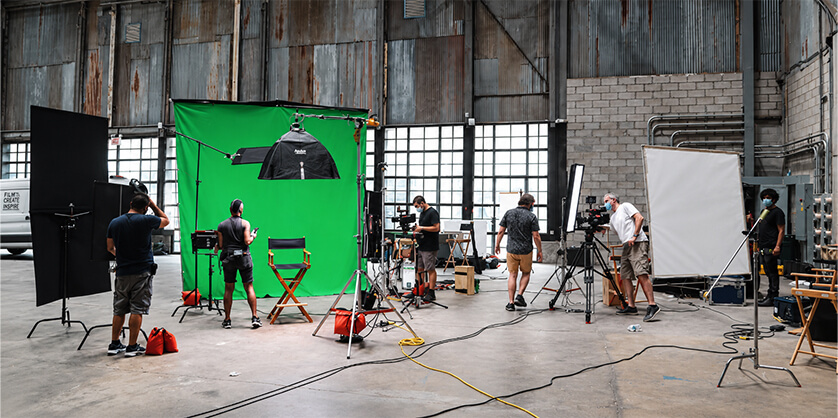
At Artxfilms, we don’t see cinematic and authentic video as competing production styles. As a cinematic video production company, we understand when a brand needs the scale, polish, and visual authority of cinematic storytelling and when a more natural approach will work better.
They’re tools to communicate different problems.
For a corporate film, brand campaign, or commercial, cinematic storytelling can give the brand the visual authority it needs. For social-first content, UGC, testimonials, and behind-the-scenes storytelling, a more natural approach can make the same brand feel closer and more relatable.
The future belongs to production teams that can move between the two without making either feel forced.
Need a Brand Video That Feels Right for Your Audience?
Whether your brand needs a cinematic campaign with polished visuals or authentic content that feels natural and relatable, Artxfilms can produce both.
From commercials and corporate videography to social-first content, testimonials, and brand storytelling, we match the production style to your goals, audience, and platform.
Ready to create your next brand video? Contact Artxfilms and let’s bring your story to life.