By ArtxFilms Editorial Team | Reviewed by Corporate & Manufacturing Video Production Specialists | Sep 2026
A manufacturing company has a lot to show: advanced machinery, large-scale facilities, skilled teams, quality-control systems, and finished products. But simply filming a factory does not make an effective manufacturing company profile video.
The real challenge is turning complex operations into a clear, credible story that customers, investors, and international buyers can understand and remember.
With 91% of businesses using video as a marketing tool, a well-produced company profile can support sales, trade shows, recruitment, and brand credibility.
So, what should a strong manufacturing company profile video include?
It starts with strategy, not cameras.
1. Start With the Company Story
Before showing machines, establish who the company is.
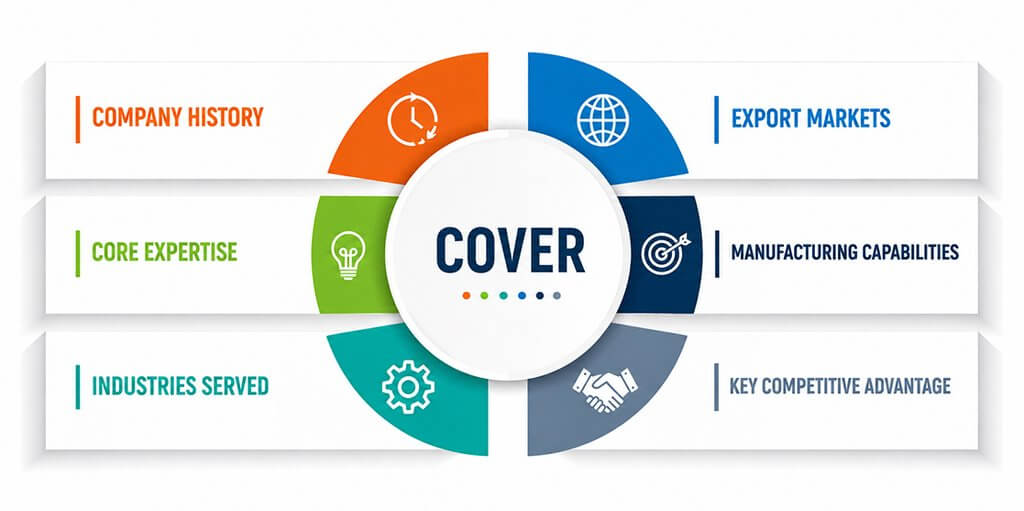
The first 20–30 seconds should give viewers a clear reason to keep watching.
For Pakistani manufacturers, this is especially important when the video is being viewed by international buyers who may never visit the facility in person.
The opening should quickly answer three questions:
Who are you? What do you manufacture? Why should the viewer trust your capability?
2. Show the Scale of the Facility
Manufacturing is highly visual, so use the factory itself as proof of capability.
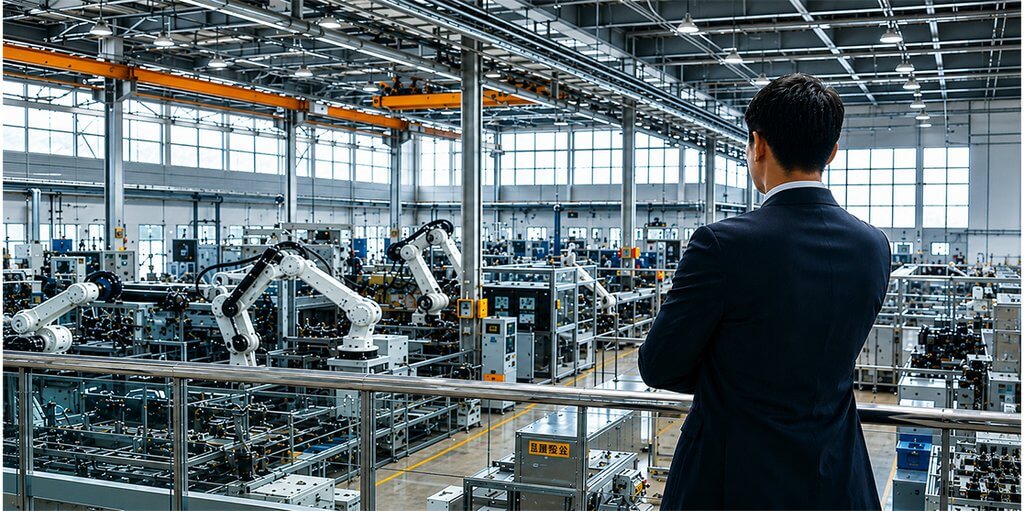
A strong factory profile video can include:
- Drone footage
- Production floors
- Warehouses
- Machinery
- Raw materials
- Packaging areas
- Logistics operations
Wide shots establish scale, while close-ups of machines, controls, materials, and operators make the environment feel more detailed and credible.
3. Explain the Manufacturing Process
The production process should usually be the heart of the film.
Instead of showing random departments, create a clear journey:
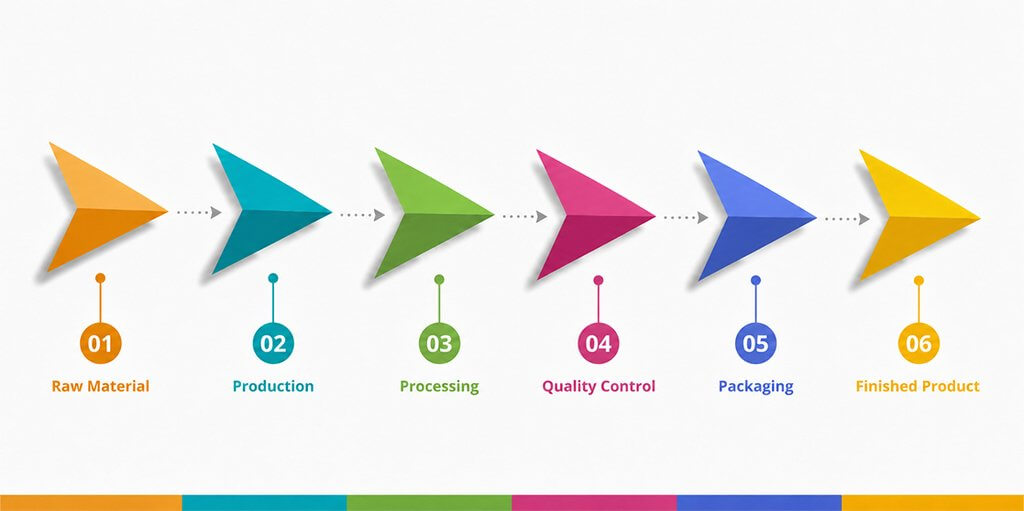
For example, a cable manufacturer may show copper processing, wire drawing, insulation, testing, and final packaging.
A textile manufacturer may move from spinning and weaving to dyeing, inspection, finishing, and packing.
This structure makes a complex operation easier for customers to understand.
4. Give Quality Control Proper Attention
Manufacturers often focus heavily on production but give quality control only a few seconds.
That is a mistake.
For B2B buyers, quality assurance can be one of the most persuasive parts of a manufacturing corporate video.

Show:
- Testing laboratories
- Inspection procedures
- Measuring equipment
- Engineers conducting tests
- Automated quality systems
- Certifications
- Compliance processes
Do not simply say: “Quality is our priority.”
Show how quality is actually controlled.
Testing footage, inspection procedures, documentation, and technical personnel can provide visible evidence that quality assurance is part of the manufacturing process rather than simply a marketing claim.
Where certifications are mentioned, only display certifications that the company currently holds and can verify.
5. Show the People Behind the Process
Machines show capacity. People show expertise.
Include engineers, technicians, operators, production managers, researchers, quality teams, and leadership
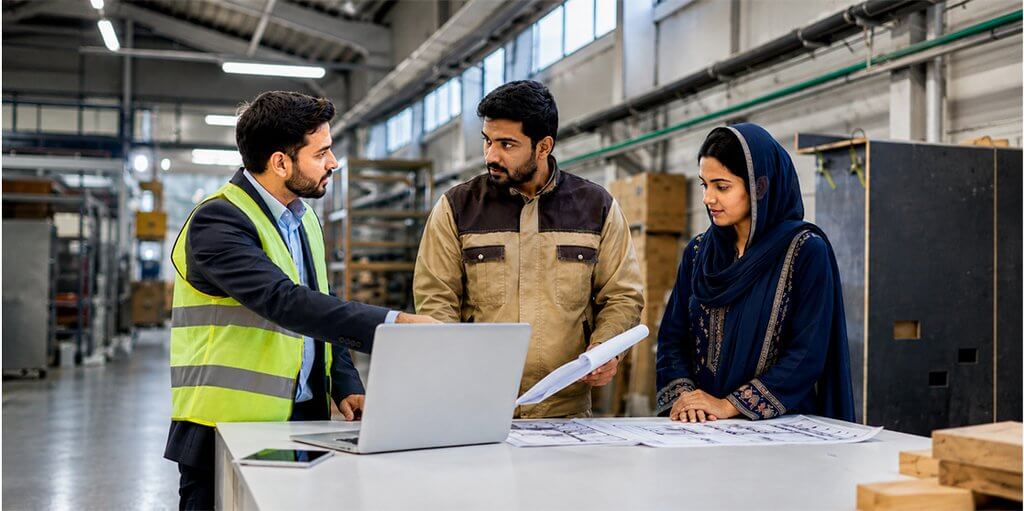
Short executive interviews can also strengthen credibility when they focus on topics such as:
- Company vision
- Innovation
- Quality
- Customer requirements
- Export growth
- Future plans
The goal is to make the company feel experienced and human, not just industrial.
6. Highlight Technology, Innovation, and Certifications
If the company has invested in modern technology, automation, R&D, sustainable systems, or advanced machinery, show it.
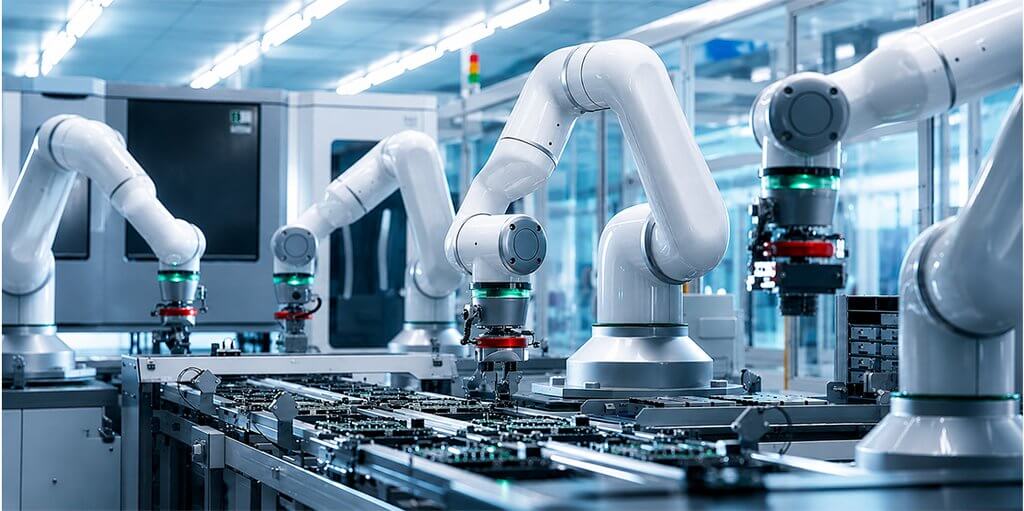
Relevant visuals may include:
- Automated production systems
- CNC machinery
- Robotics
- Digital monitoring
- Testing equipment
- R&D facilities
- Solar or energy-efficient systems
Important certifications can also be presented through clean motion graphics.
Modern AI video production services can further support manufacturing films through pre-visualisation, transcription, multilingual subtitles, localisation, and content repurposing. However, authentic factory footage should remain central when the objective is to prove real manufacturing capability.
For manufacturers competing internationally, the combination of genuine industrial footage, strong storytelling, and modern production technology can communicate both credibility and technical capability.
7. Show Where the Products Go
The story should not always end at the finished product.
Show what happens next.
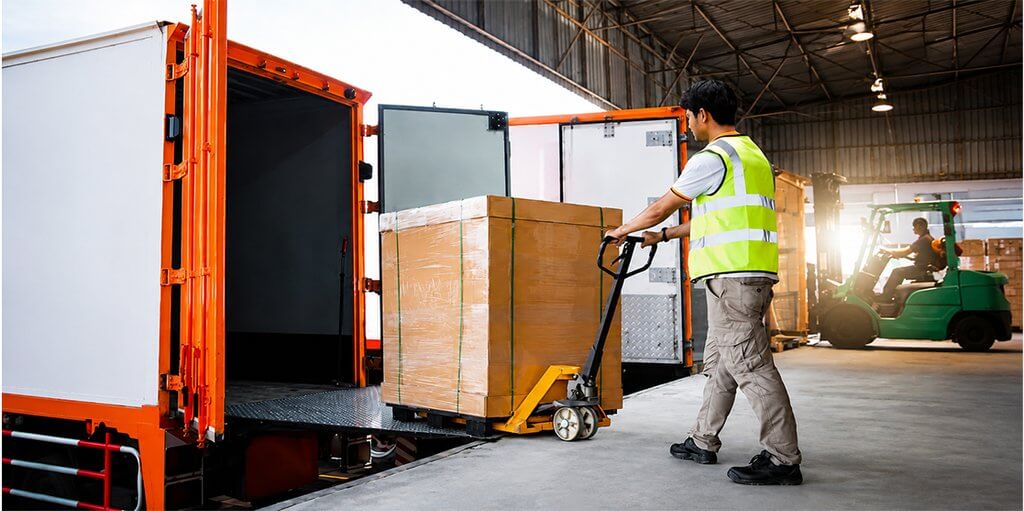
Use:
- Export maps
- Shipping footage
- Customer industries
- Product applications
- Distribution networks
- Real-world installations
This shifts the message from:
“This is what we manufacture.”
to:
“This is what our manufacturing makes possible.”
That makes the film more relevant to customers and international buyers.
8. Build the Video Around One Competitive Advantage
Every manufacturer has a core strength.
It could be:
- Precision
- Scale
- Reliability
- Vertical integration
- Technology
- Customization
- Speed
- Sustainability
- Legacy
A strong corporate video production strategy identifies that advantage early and builds the film around it.
If precision is the strength, focus on testing, engineering, and quality.
If scale is the strength, show production capacity and infrastructure.
If scale is the strength, show production capacity and infrastructure.
The viewer should know exactly what makes the company different.
What This Looks Like In Real Projects
At Artxfilms, the best video production company in Pakistan, we’ve seen how different manufacturing stories require different approaches.
Our work on manufacturing and corporate films in Pakistan has reinforced one principle in particular: the strongest industrial films are organised around a business story rather than a collection of attractive factory shots.
Here is how that thinking has applied to different projects.
Allied Cables
On the surface, the story was about cables, machinery, and a complex manufacturing process. But instead of simply showing machines running, we followed the product’s journey from melting copper and drawing wire to insulation and quality testing. Executive interviews added another layer, giving the process a voice and connecting the technology to the people behind it. What could have been a purely technical film became a story about precision, expertise, and the work that goes into producing a reliable product.
International Textile Limited
With International Textile Limited, the story began even before the finished towel came off the production line. The camera followed its journey through different stages of manufacturing, from spinning and weaving to dyeing, inspection, and packaging. By showing the process step by step, the film gave viewers a sense of the company’s scale and vertically integrated operations. And because the video was created for international trade shows, client meetings, and business presentations, every shot had to communicate one thing clearly: this is a company capable of delivering at a global standard.
Javed Metal Industries
For Javed Metal Industries, the goal was to go beyond simply showcasing machinery and production floors. The film brought the company’s manufacturing capabilities, infrastructure, and technical expertise into focus, giving viewers a closer look at how its operations come together. From the facility and equipment to the people behind the process, every visual was designed to communicate scale, precision, and reliability. The result was a corporate profile that gave the audience a clearer understanding of what happens behind the finished product.
The Approach We Follow at Artxfilms
At Artxfilms, we don’t believe a manufacturing company profile should feel like a catalogue of machines.
We look for the story behind the machinery: the people, the process, the precision, the problems being solved, and the purpose behind the production.
That requires more than cameras. It requires strategic planning, industrial shoot experience, cinematic production, interviews, aerial footage, motion graphics, sound design, and storytelling that connects technical capability with human impact.
For companies looking for the best corporate video services or the best video production services in Pakistan, the right production partner should understand both sides: the technical world of manufacturing and the communication needs of the audience.
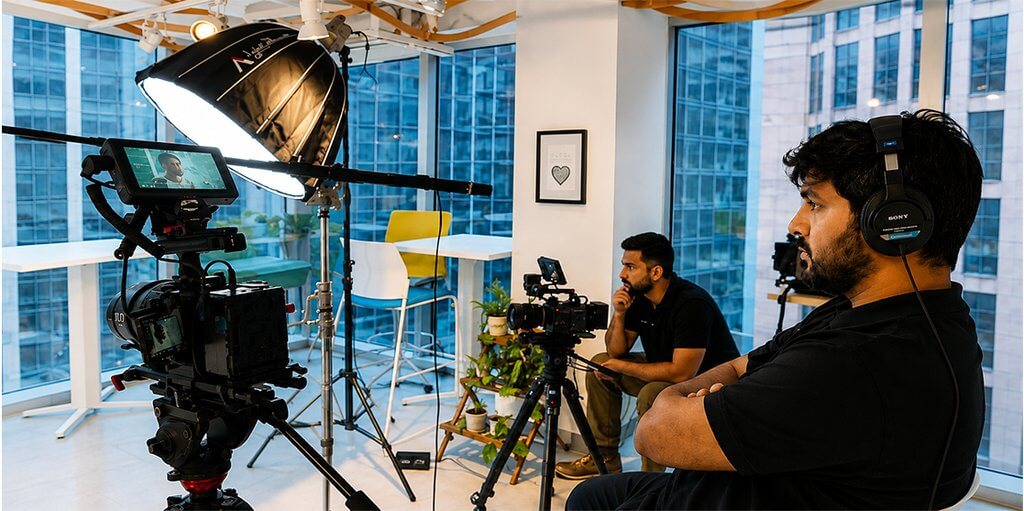
Choosing a Video Production Company in Pakistan
When choosing a video production company in Pakistan, do not judge only by camera equipment or cinematic showreels.
For industrial projects, ask whether the production company can:
- Understand technical manufacturing processes
- Plan shoots around factory operations
- Work safely in industrial environments
- Direct executive interviews
- Film machinery and processes clearly
- Use motion graphics for technical information
- Create versions for exhibitions, websites, sales, and social media
The best corporate video services combine production quality with business understanding.
A strong production partner should be able to explain not only how they will film the factory, but also what the audience needs to understand after watching the film.
Conclusion
A factory already contains the elements of a strong story: people, machinery, processes, technology, quality, and finished products.
The job of a manufacturing company profile video is to connect those elements into a clear message about capability and trust.
At Artxfilms, we create strategic corporate video production for manufacturing and industrial businesses in Pakistan, helping companies present their operations to customers, distributors, trade-show audiences, and international buyers.
Your factory does not just need to be filmed.
It needs to be understood.
FAQs
- How long should a manufacturing company profile video be?
Usually 2–4 minutes, depending on the company and process. - What should a factory profile video include?
Company story, facility, production process, quality control, people, technology, and products. - Why is quality-control footage important?
It helps prove product consistency, compliance, and manufacturing standards. - Can one corporate video be used on multiple platforms?
Yes. It can be adapted for websites, trade shows, sales presentations, and social media.
Source
- Video marketing statistic: Wyzowl, Video Marketing Statistics 2026.