If you’re selling plastic products: bottles, containers, homeware, and your photos just aren’t converting, this isn’t a product problem. It’s a photography problem. Here’s how we’ve been fixing it for small and big brands.
At Artxfilms, we’ve worked on commercial plastic product shoots for brands across industries, and one thing is clear: Plastic products don’t look premium by default.
Why Plastic Products Are Harder to Shoot Than You Think
Before we get into the projects, here’s the reality: Plastic is one of the most difficult materials to capture.
- It reflects light unpredictably
- It can lose texture under soft lighting
- It looks cheap under harsh lighting
- Labels and details often get washed out
This is why reflective product photography becomes critical, and it’s not just about lighting a product; it’s about controlling how light behaves on the surface.
How We Approach Product Shoots at Artxfilms Studio
Every project at Artxfilms starts with one question: What should this product feel like when someone sees it online?
Because a product image doesn’t just show, it communicates, and from there, we build the shoot around three pillars:
1. Controlled Lighting for Reflective Surface
We use:
- Diffused softboxes to eliminate harsh glare
- Black flags to define edges
- Backlighting to highlight transparency
This is especially important in reflective product photography, where even a small reflection can ruin or elevate the shot.
2. Angles That Communicate Function
- Different angles serve different purposes:
- 45° angles → balanced e-commerce visuals
- Top-down → shows usability and capacity
- Low angles → adds strength and premium feel
3. Clean But Intentional Background
To avoid clutter, we use
- Solid backgrounds
- Soft gradients
- Minimal lifestyle setups
Because the goal is to make the product the hero.
Six Brands, Six Different Problems

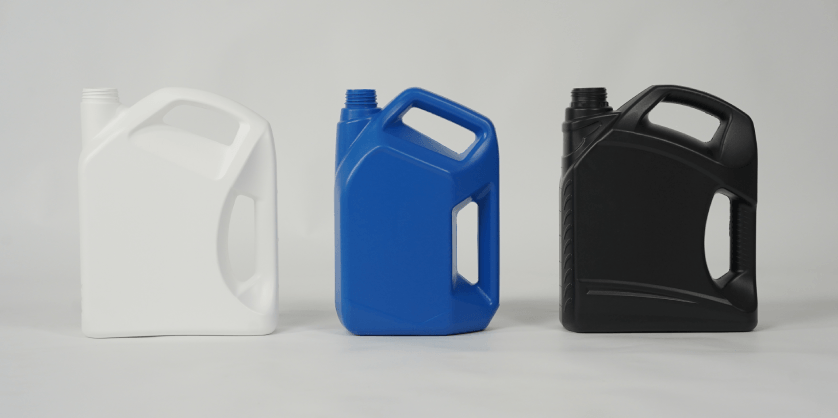
1. Granulars
Granulars came to us when their product visuals weren’t reflecting their actual quality. Labels lacked clarity, textures were getting lost, and the overall presentation felt inconsistent.
To solve this, we focused on 360° ecommerce plastic shoots by improving:
- Front-facing angles for clear label visibility
- Consistent framing across all SKUs
- Balanced diffused lighting to retain texture
Even after getting a technically correct shot, we refined it further by:
- Reducing reflections
- Simplifying the setup
- Sharpening focus on key details
The result: visuals that were instantly clear and easy to understand.
2. PCI Group of Companies
PCI Materials needed visuals that felt professional, structured, and reliable across catalogs and digital platforms, consistent with pharmaceutical plastic-product filming standards.
We approached this with precision by focusing on:
- Perfect alignment and symmetry
- Even lighting across all products
- Consistent composition
Technically, this involved:
- Aperture around f/11 for full clarity
- Controlled side lighting for structure
- Neutral backgrounds for consistency
We avoided props entirely because in B2B, simplicity builds trust.

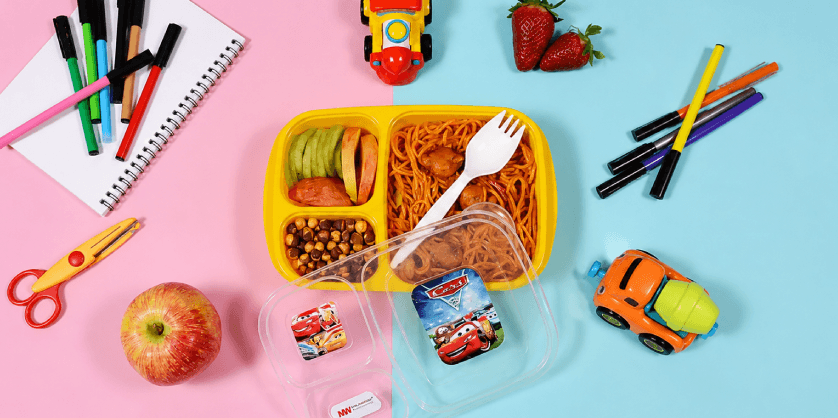
3. Cherry Plastic
Cherry Plastic’s bold colors were their biggest strength, but also the hardest to capture. This required careful reflective product photography.
We ensured color accuracy by:
- Manually calibrating white balance
- Adjusting light temperature
- Using soft diffused lighting to avoid glare
The goal was simple:
- No color distortion
- No unwanted reflections
- No compromise on vibrancy
Because for Cherry, color is identity.
4. Maxware Households
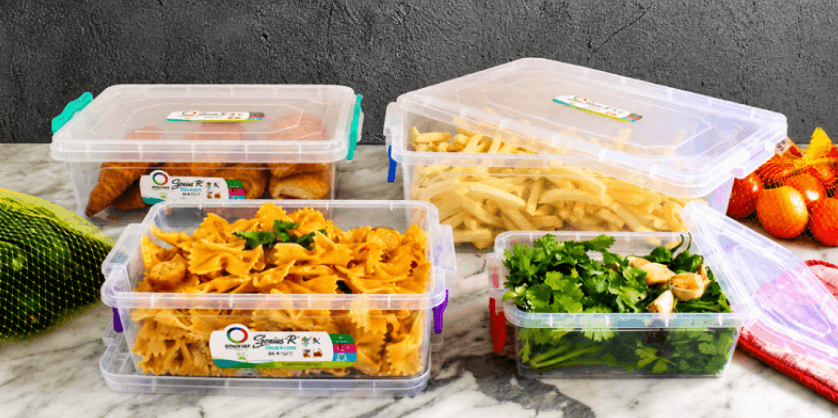
Maxware’s products were functional, but the goal was to make them feel more aspirational using commercial plastic product shoots and plastic packaging cinematography.
We shifted the approach by introducing:
- Real-use lifestyle setups
- Soft, natural lighting
- Context-driven compositions
This helped highlight:
- Organization
- Usability
- Everyday relevance
The result: products that felt like part of a lifestyle, not just items.
5. Orient Plastics
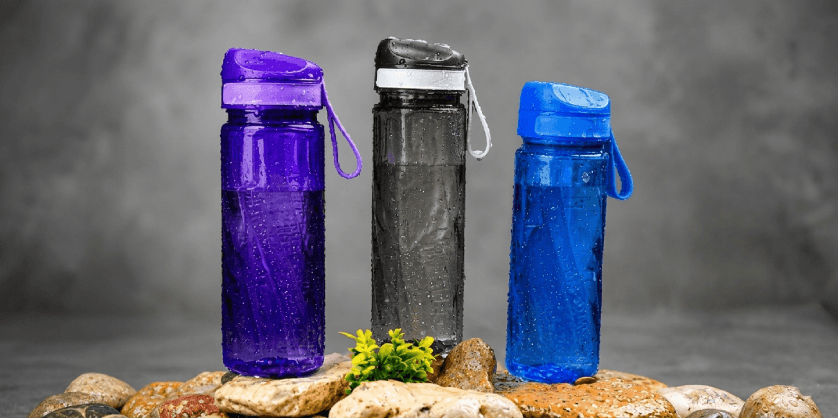
Orient Plastics needed their products to communicate strength and reliability visually. Initial shots felt flat and lacked presence.
We enhanced this by adjusting:
- Camera angles (slightly lower for more weight)
- Lighting direction for better edge definition
- Contrast to add depth
This created visuals that felt:
- Stronger
- More stable
- More dependable
6. Apple Homeware
Apple Plastic’s challenge was over-styling. Too many elements were distracting from the product.
We simplified everything by focusing on:
- Clean, distraction-free backgrounds
- Balanced, even lighting
- Minimal composition
Aligned with a high-value corporate video production approach, we removed anything unnecessary, so the focus stayed on:
- Shape
- Finish
- Form
Sometimes, less truly sells more.
Key Takeaways
Different brands, same material, completely different approach.
Here’s what these projects actually teach:
- Clarity directly impacts how quickly customers understand a product, which is why 360° e-commerce plastic shoots matter.
- Accuracy builds trust, especially in reflective product photography where lighting defines perception.
- Depth adds value, and plastic packaging cinematography helps make static products feel more engaging.
- Angles shape meaning; they communicate size, strength, and usability instantly.
- Consistency builds credibility more than any single standout shot.
- Simplicity often works best when distractions are removed.
At the core, it all comes down to one thing: your visuals should answer the customer’s questions before they even ask them.
Your product deserves better photos.
If your current images aren’t doing justice to what you’re selling, let’s change that. We’ve done it for brands across Pakistan, we can do it for yours too.Let’s talk about your product!